
Roadway milling removes a controlled layer of worn pavement, so crews restore surface quality, improve drainage, and prepare roads for new asphalt. When done correctly, roadway milling extends pavement life by preserving the underlying structure, reducing repair costs, and supporting more durable public infrastructure solutions.
Roads wear down for many reasons: traffic, weather, poor drainage, and repeated resurfacing all shorten pavement life. That’s why roadway milling has become an important maintenance tool. It gives crews a way to remove damaged asphalt, correct elevations, and create a stronger base for new paving.
In this guide, you’ll learn how roadway milling works, where stabilization fits into the rehabilitation process, and why these public infrastructure solutions help communities keep roads safer, smoother, and more durable for longer. Keep reading to learn more.
What is roadway milling?
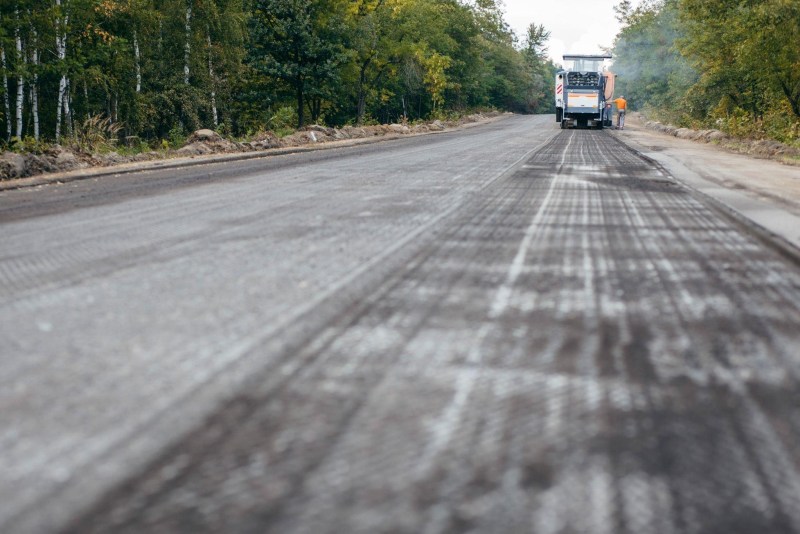
This type of road work involves removing part of the top layer of asphalt using a milling machine with a rotating drum and cutting teeth. Crews use roadway milling to repair surface damage, reset pavement height, improve drainage, and prepare the road for a new overlay.
In many projects, roadway milling and stabilization work together to help create a longer-lasting surface without rebuilding the entire road.
This process is one of the most practical public infrastructure solutions for aging streets and highways because it addresses surface wear while preserving the underlying layers. When the base is still sound, milling refreshes the roadway efficiently and at a lower cost than full reconstruction. It’s most effective when agencies use it before surface problems become structural failures.
How the process works
A milling project starts with inspection and planning. Crews evaluate the pavement condition, drainage needs, traffic demands, and required milling depth before bringing in equipment.
Once the project begins, the machine removes a controlled layer of asphalt and loads the material into trucks for recycling or removal. That precision is one reason it’s so valuable in public infrastructure solutions.
The next step is surface preparation. Crews clean the milled roadway, complete any needed repairs, and then apply new asphalt or another treatment. In some cases, roadway milling and stabilization are part of a broader rehabilitation strategy that strengthens the road base before repaving.
This approach helps prevent the same problems from returning too quickly.
Real-world applications for milling
We use milling on highways, local streets, bridge approaches, parking lots, and access roads. It’s especially helpful when pavement has ruts, cracks, bleeding, or uneven elevations. Agencies also use milling to match pavement heights after repeated overlays or to improve drainage where water collects on the surface.
In some projects, we combine roadway milling and stabilization to rebuild weakened pavement sections, which is especially useful when the road has surface distress but still has sufficient structural capacity to justify rehabilitation rather than full replacement.
These public infrastructure solutions help crews target the right repair level without overspending on unnecessary reconstruction.
For municipalities, milling also reduces traffic disruption. Because crews remove only the needed amount of pavement, they often complete work faster than more invasive methods.
Benefits for pavement longevity
Milling helps roads last longer by improving the surface and setting up the next layer for better performance. Key benefits include:
- Removes damaged or uneven asphalt before it spreads deeper
- Improves drainage by correcting surface irregularities
- Creates a better bonding surface for new pavement
- Preserves the existing base when it is still structurally sound
- Supports recycling of reclaimed asphalt pavement
- Reduces the need for full reconstruction
- Extends the useful life of roads through smarter public infrastructure solutions
Roadway milling and stabilization also add value by allowing agencies to repair the road system in stages. That means more flexibility, less disruption, and a better return on each maintenance dollar.
Common roadway mistakes to avoid
Even effective methods fail if teams misuse them. Common mistakes include:
- Using milling when the pavement base has already failed
- Milling too shallow or too deep for the intended repair
- Skipping drainage corrections before repaving
- Leaving the milled surface exposed too long
- Treating roadway milling and stabilization as interchangeable when they solve different problems
- Failing to clean and prepare the surface before overlaying it
- Choosing short-term fixes instead of durable public infrastructure solutions
Avoiding these mistakes helps ensure the repair lasts and doesn’t create new maintenance problems.
Insights on roadway milling
Industry sources consistently show that milling improves rehabilitation efficiency and pavement performance. Key takeaways include:
- Milling removes only the necessary layer rather than rebuilding the entire road.
- Reclaimed asphalt pavement from milling can be recycled into new mixes.
- Milling helps crews correct surface issues and improve ride quality before repaving.
- Roadway milling and stabilization reduce traffic disruption compared with full reconstruction.
- Many agencies use milling as part of broader public infrastructure solutions because it extends asset life at a lower cost.

Recommended tools and methods
Successful milling depends on the right equipment and workflow. Useful tools and methods include:
- Cold planers and milling machines
- Depth-control systems for consistent removal
- Haul trucks for reclaimed asphalt pavement
- Sweepers and surface-cleaning equipment
- Drainage correction tools
- Asphalt overlays for post-milling restoration
- Roadway milling and stabilization strategies for deeper rehabilitation
- Inspection and quality-control checks before and after work
When agencies combine these tools with planning and field expertise, they create more durable public infrastructure solutions.
FAQ
What is roadway milling used for?
It removes the worn asphalt surface so crews can repair damage, improve drainage, and prepare the road for resurfacing. It works best when the base is still sound, and the goal is to extend pavement life efficiently.
How do milling and stabilization differ?
Milling removes the top layer of asphalt, while stabilization strengthens the underlying material or rebuilds the base. They are often used together, but they solve different pavement problems.
Does milling always require repaving?
Usually, yes. An overlay or another surface treatment follows most milling projects. Milling creates the right foundation for a smoother, longer-lasting finished road.
Why is milling important for public infrastructure solutions?
It allows agencies to repair roads without full reconstruction, saving time and money while preserving the pavement structure. That makes it one of the most practical public infrastructure solutions for aging systems.
How does milling improve pavement longevity?
It removes surface damage, improves drainage, and prepares the road for a new layer that bonds better. Those steps reduce future wear and help the pavement last longer.
Regions where it matters most
Milling is especially valuable in regions with hot weather, freeze-thaw cycles, heavy traffic, or fast-growing road networks. Under these conditions, surface wear occurs quickly, and small defects become bigger problems if left untreated. Roadway milling and stabilization give local agencies a practical way to respond before roads deteriorate further.
For communities planning long-term upgrades, roadway milling supports more resilient public infrastructure by improving performance without requiring full replacement as roadways age.
Work with Jackson Infrastructure
Roadway milling plays a critical role in extending pavement life, improving ride quality, and setting the stage for stronger resurfacing outcomes. When paired with the right planning and execution, it becomes one of the most effective public infrastructure solutions for preserving road networks and protecting long-term investment.
At Jackson Infrastructure, we approach roadway milling with the same standards that define all of our work: precision, accountability, and minimal disruption. Our team understands how to deliver durable results that support safer roads, smoother travel, and stronger infrastructure performance over time.
If you’re planning a roadway improvement project and want a partner that values quality from start to finish, Jackson Infrastructure is ready to help. Connect with our team to discuss your next project and see how our expertise supports your long-term infrastructure goals.


